Geometric Basic Pattern: A Versatile Design for Creative Projects
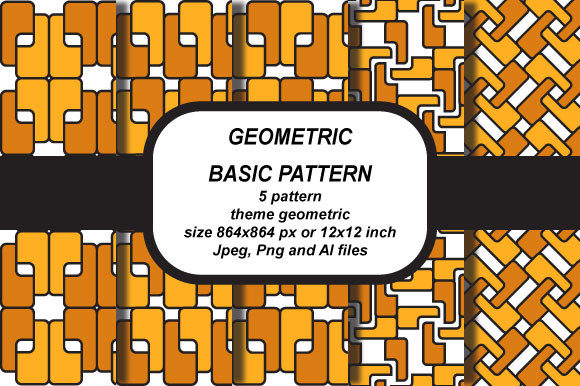
The Geometric Basic Pattern is a design concept that utilizes fundamental shapes such as circles, squares, triangles, and rectangles to create visually appealing and structured compositions. This pattern often features a basic rectangular shape with rounded sides, reminiscent of modern devices like i Pods or TWS earbuds, and evolves into multiple variations. Its simplicity and adaptability make it ideal for a wide range of applications, including wallpaper, book covers, tote bags, and phone cases.
For designers, artists, and creators, the Geometric Basic Pattern offers a foundation upon which more complex designs can be built. It provides a clean and organized aesthetic that can be customized to suit different themes and styles. Whether used as a standalone design or as part of a larger project, this pattern serves as a reliable choice for those seeking clarity and structure in their visual work.
Why Someone Might Be Interested in Geometric Basic Pattern
Individuals interested in design, especially those working on branding, interior decoration, or product packaging, may find the Geometric Basic Pattern appealing. Its minimalist approach allows for easy integration into various layouts without overwhelming the viewer. The pattern's versatility makes it suitable for both digital and print media, offering flexibility in application.
Those looking for a design that can be easily adapted for different formats will appreciate the availability of high-quality files in multiple resolutions and file types. The inclusion of JPEG, PNG, and AI files ensures that users can access the pattern in the most appropriate format for their specific needs. With a size of 864x864 pixels or 12x12 inches, the pattern is optimized for use in both digital and physical projects.
Benefits and Considerations of Using Geometric Basic Pattern
One of the primary benefits of the Geometric Basic Pattern is its ability to convey order and balance. The use of basic shapes creates a sense of harmony that can enhance the overall visual appeal of a design. Additionally, the pattern's simplicity makes it easy to modify and customize, allowing for personalization based on specific requirements.
However, the effectiveness of the pattern depends on how it is applied. In some cases, its minimalistic nature may not provide enough visual interest for certain projects. Users should consider whether the pattern aligns with the desired mood or message of their design. For instance, a more intricate or detailed pattern might be more appropriate for a project that requires a higher level of complexity.
Another consideration is the intended use of the pattern. While it works well for wallpaper and printed materials, it may not be the best choice for projects that require a more dynamic or abstract visual style. Understanding the context in which the pattern will be used is essential for making an informed decision.
Situations Where Geometric Basic Pattern Is a Strong Fit
The Geometric Basic Pattern is particularly effective in scenarios where clarity and structure are important. For example, it can be used in educational materials, such as textbooks or infographics, to help organize information in a visually coherent way. Its clean lines and defined shapes make it ideal for creating diagrams, charts, or other data visualization tools.
In interior design, the pattern can serve as a backdrop for walls, adding a subtle yet stylish touch to any space. It also works well for fabric designs, such as pillowcases, scarves, and handkerchiefs, where a simple and elegant look is preferred. The pattern’s adaptability ensures that it can be incorporated into a variety of settings without losing its visual impact.
When Alternatives May Be Worth Considering
While the Geometric Basic Pattern is a strong option for many projects, there may be instances where alternative patterns are more suitable. For example, if a design requires a more vibrant or expressive style, a pattern featuring bold colors or intricate details may be more appropriate. Similarly, if the goal is to create a unique or unconventional look, a more experimental or abstract pattern could be a better fit.
Users should also consider the target audience when selecting a pattern. A more traditional or classic design may resonate better with certain demographics, while a modern or avant-garde style could appeal to others. Evaluating the preferences and expectations of the intended audience is crucial for making the right choice.
Practical Decision-Making Insights
Before deciding to use the Geometric Basic Pattern, it is helpful to assess the specific goals of the project. Ask questions such as: What is the purpose of the design? Who is the intended audience? What kind of visual effect is desired? These considerations can guide the selection process and ensure that the chosen pattern meets the project’s requirements.
Additionally, exploring different variations of the pattern can provide insight into how it can be adapted for various uses. Testing the pattern in different contexts, such as on a website, a printed document, or a physical product, can help determine its effectiveness and suitability.
For those interested in purchasing the Geometric Basic Pattern, it is important to verify the quality and resolution of the files provided. High-resolution images ensure that the pattern looks sharp and clear when printed or displayed digitally. Checking the available file formats can also help users choose the most appropriate option for their workflow.
Finally, staying updated on new releases and design trends can help users discover additional patterns and resources that may complement their work. Following the designer’s social media profiles or subscribing to newsletters can provide valuable information and inspiration for future projects.