Scrapbooking Geometric Lines Pattern: A Versatile Tool for Creative Workflows
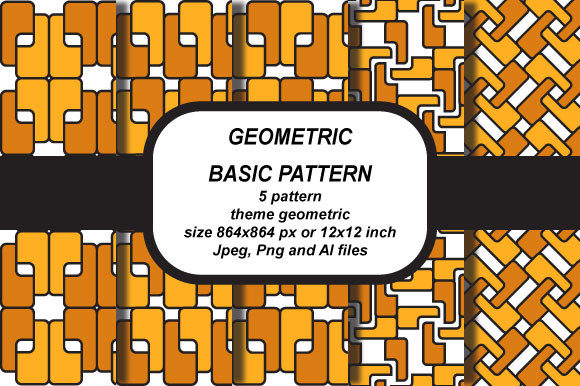
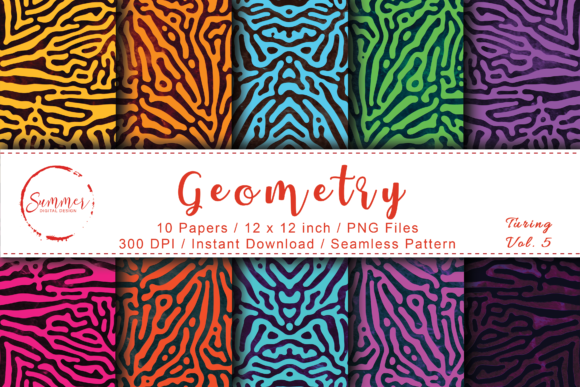
Scrapbooking geometric lines pattern is a set of 10 high-quality seamless designs that feature bold, structured lines in vibrant colors. These digital papers are ideal for a wide range of creative and practical applications, from scrapbooking and greeting cards to fabric prints and digital backgrounds. Their versatility makes them a valuable asset in both personal and professional workflows.
Understanding Scrapbooking Geometric Lines Pattern
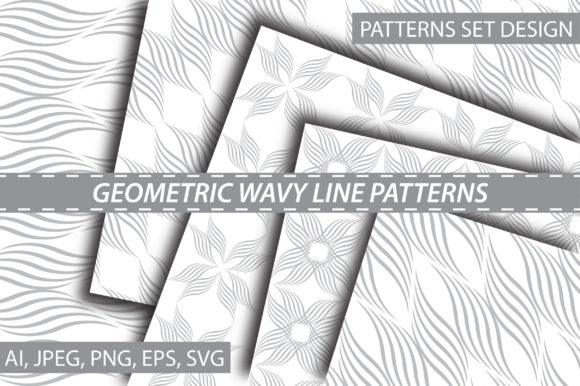
Scrapbooking geometric lines pattern refers to a collection of seamless digital designs that use geometric shapes and lines to create visually engaging textures. These patterns are designed to repeat seamlessly, making them suitable for large-scale projects without visible seams or disruptions. The bright and vivid color schemes ensure that they stand out while maintaining a cohesive aesthetic.
This set includes 10 unique designs, each available in PNG format at 300 dpi resolution. Each paper measures 12 x 12 inches (30.48 x 30.48 cm), providing ample size for various uses. The files are delivered as a single zip file, ensuring easy access and organization.
Applications in Creative and Professional Workflows
Scrapbooking geometric lines pattern can be integrated into multiple stages of a project, offering flexibility and efficiency. Whether you're planning a design, executing a creative task, or finalizing a product, these patterns provide a consistent and professional look.
Before a Project: When starting a new creative endeavor, such as designing a greeting card or planning a digital background, using geometric patterns can help establish a visual theme. They serve as a foundation for layout decisions, color coordination, and overall design direction.
During a Project: These patterns can be used as overlays, backgrounds, or elements within a design. For example, when creating a planner sticker or a notebook layout, the geometric lines add structure and visual interest without overwhelming the content.
After a Project: Once a project is complete, these patterns can be used for packaging, marketing materials, or promotional items. For instance, a small business owner might use them on product packaging or social media posts to maintain brand consistency.
Integration with Other Tools and Resources
Scrapbooking geometric lines pattern works well with other design tools and resources. They can be paired with graphic design software like Adobe Photoshop, Illustrator, or Canva to enhance digital projects. Additionally, they complement other digital assets such as fonts, icons, and illustrations, ensuring a unified visual identity.
When working with physical materials, these patterns can be printed and used as templates for handcrafts, fabric printing, or DIY projects. Their high-resolution format ensures clarity and quality, even when scaled up for larger formats.
Practical Implementation Tips
To get the most out of scrapbooking geometric lines pattern, consider the following tips:
- Organize Files: Keep your digital papers in a dedicated folder with clear naming conventions. This helps streamline your workflow and reduces time spent searching for specific files.
- Use in Multiple Projects: Reuse the same patterns across different projects to maintain consistency. For example, use a geometric pattern as a background for both a digital invitation and a social media post.
- Experiment with Layering: Combine the patterns with other textures or images to create unique effects. This can add depth and complexity to your designs.
- Test Before Finalizing: Always preview how the pattern looks in different contexts before finalizing a design. This helps avoid unexpected results when printed or displayed digitally.
Workflow Examples and Use Cases
Here are a few examples of how scrapbooking geometric lines pattern can fit into real-world workflows:
- Scrapbooking: Use the patterns as background pages in a photo album. Their seamless design ensures a clean and professional look, while the bright colors add energy and vibrancy.
- Digital Backgrounds: Incorporate the patterns into website headers, social media banners, or email newsletters. They provide a modern and eye-catching backdrop that complements other design elements.
- Apparel and Fabric Prints: Apply the patterns to t-shirts, tote bags, or home decor items. Their high-quality resolution ensures that the details remain sharp and clear when printed on fabric.
- Business Branding: Use the patterns as part of a brand’s visual identity. They can appear on business cards, packaging, or promotional materials, reinforcing a cohesive and professional image.
Factors to Consider for Long-Term Use
When integrating scrapbooking geometric lines pattern into your workflow, consider the following factors for long-term success:
- Preparation: Ensure that your design software and devices are compatible with the file format and resolution. This avoids technical issues during the creation process.
- Compatibility: Check that the patterns work well with other design elements you plan to use. This includes fonts, images, and color schemes.
- Usability: Choose patterns that align with your style and purpose. Avoid overly complex designs if simplicity is preferred for a particular project.
- Organization: Maintain a structured system for storing and accessing your digital papers. This improves efficiency and reduces the risk of losing important files.
- Quality Control: Regularly review your work to ensure that the patterns are applied correctly and consistently. This helps maintain a high standard of output.
Conclusion: Enhancing Creativity with Scrapbooking Geometric Lines Pattern
Scrapbooking geometric lines pattern offers a flexible and reliable solution for a wide range of creative and professional tasks. By understanding how to integrate these patterns into your workflow, you can enhance your designs, streamline your processes, and achieve consistent results. Whether you're a hobbyist, entrepreneur, or designer, these digital papers provide a valuable resource for bringing your ideas to life.